Threat Modeling
4 articles
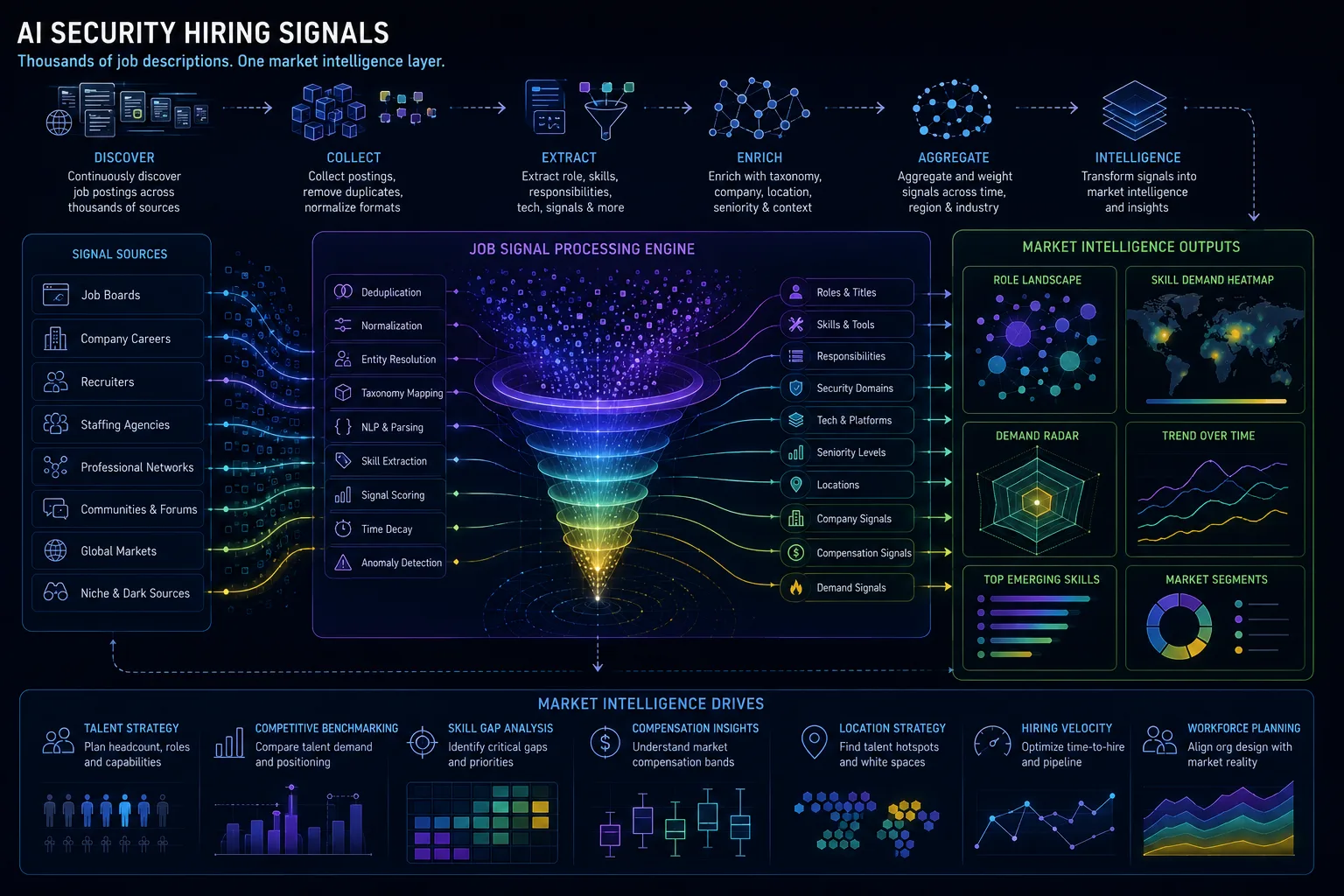
The AI Security Engineer Career Map: Skills, Tools, Frameworks, and Portfolio Evidence
The AI Security Engineer career path combines AppSec, cloud security, MLOps, LLM application security, secure RAG, agent security, red teaming, detection engineering, governance evidence, privacy awareness, and communication. Practitioners should build portfolio evidence that proves they can turn AI risk into controls, tests, telemetry, and operating decisions.

Threat Modeling LLM Applications: Data Flows, Trust Boundaries, Tool Calls, and Abuse Cases
LLM threat modeling should map assets, actors, data flows, trust boundaries, prompt assembly, retrieved content, model providers, tool calls, memory, outputs, identities, approvals, logs, and abuse cases. The output should become controls, tests, telemetry requirements, and incident-response assumptions.

Building an AI Red Team Lab: Tools, Datasets, Harnesses, Attack Libraries, and Reporting Templates
An AI red team lab should provide a controlled, authorized, reproducible environment for testing LLM applications, RAG systems, AI agents, model endpoints, tool use, output handling, and governance evidence. It must include safe datasets, attack libraries, test harnesses, telemetry, evidence handling, reporting templates, and operational guardrails.

The Agentic Anarchy Problem: Why AI Agents Break Traditional IAM Models
AI agents break traditional IAM because they act across user intent, application authority, and tool permissions. A secure agent program requires explicit identity, delegated authorization, scoped credentials, and policy enforcement that lives outside the model.