AI Agent Security
4 articles
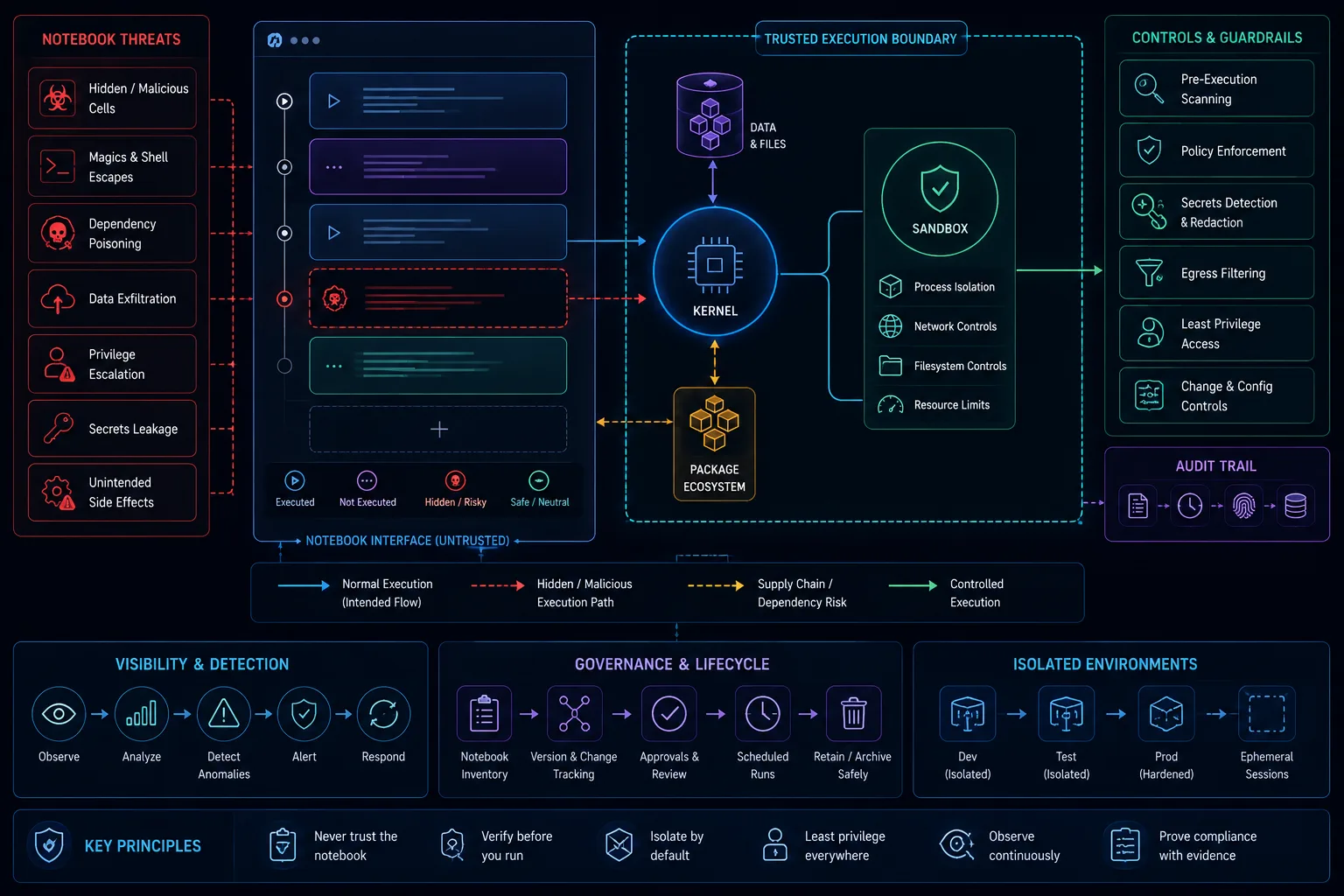
The Future of AI Security Engineering: From AppSec to AgentSec to Autonomous SOCs
The future of AI Security Engineering is a platform discipline that extends AppSec into LLM applications, creates AgentSec for autonomous workflows, builds AI-native telemetry for detection and incident response, and turns governance into continuous evidence rather than annual paperwork.
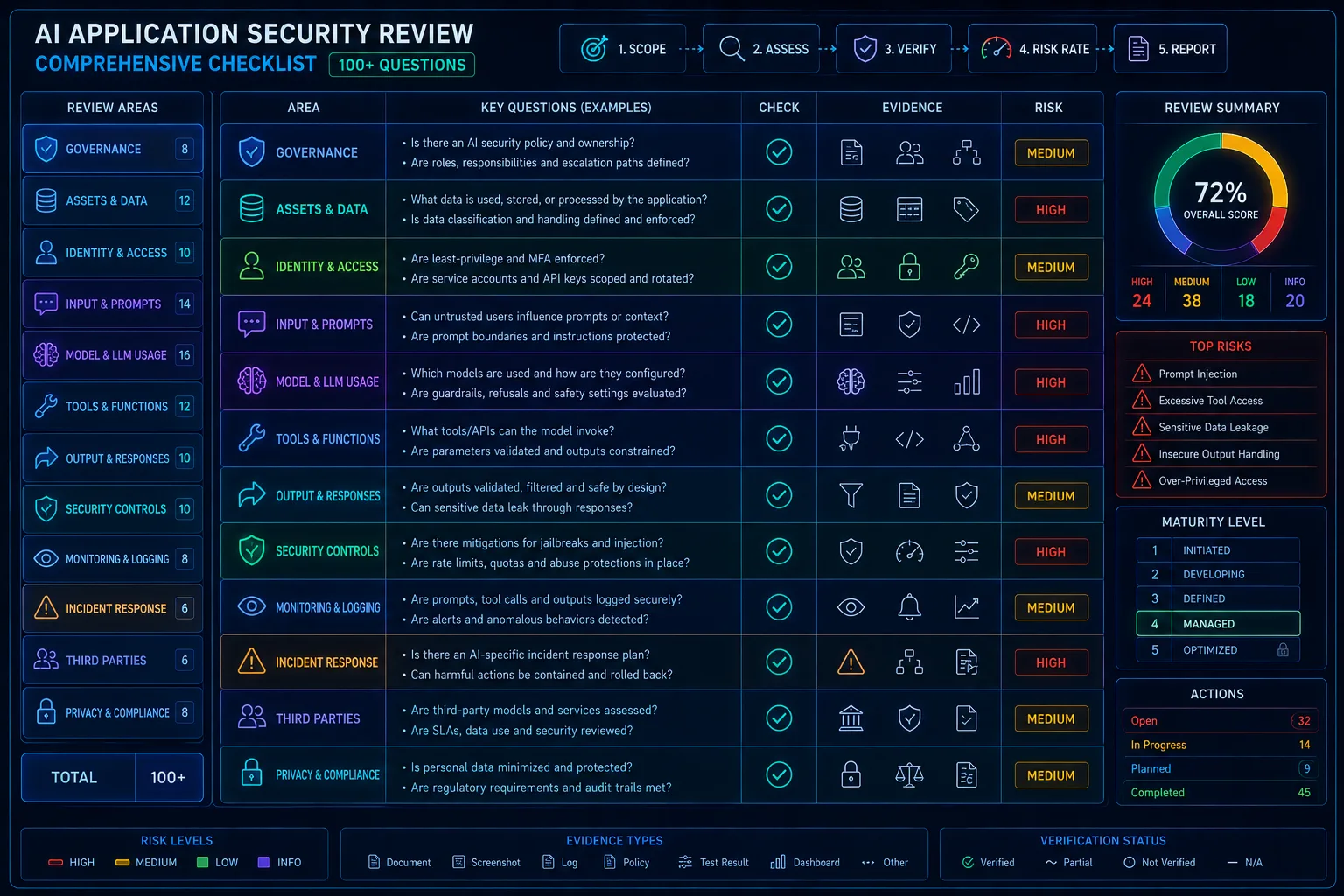
Security Monitoring for AI Agents: How to Detect Dangerous Tool Use Before Damage Happens
Security monitoring for AI agents requires tool-call telemetry, action-sequence detection, approval-state tracking, memory monitoring, credential visibility, anomaly detection, and kill-switch response paths. Dangerous tool use should be detected before it becomes data leakage, unauthorized change, financial impact, or customer-facing error.
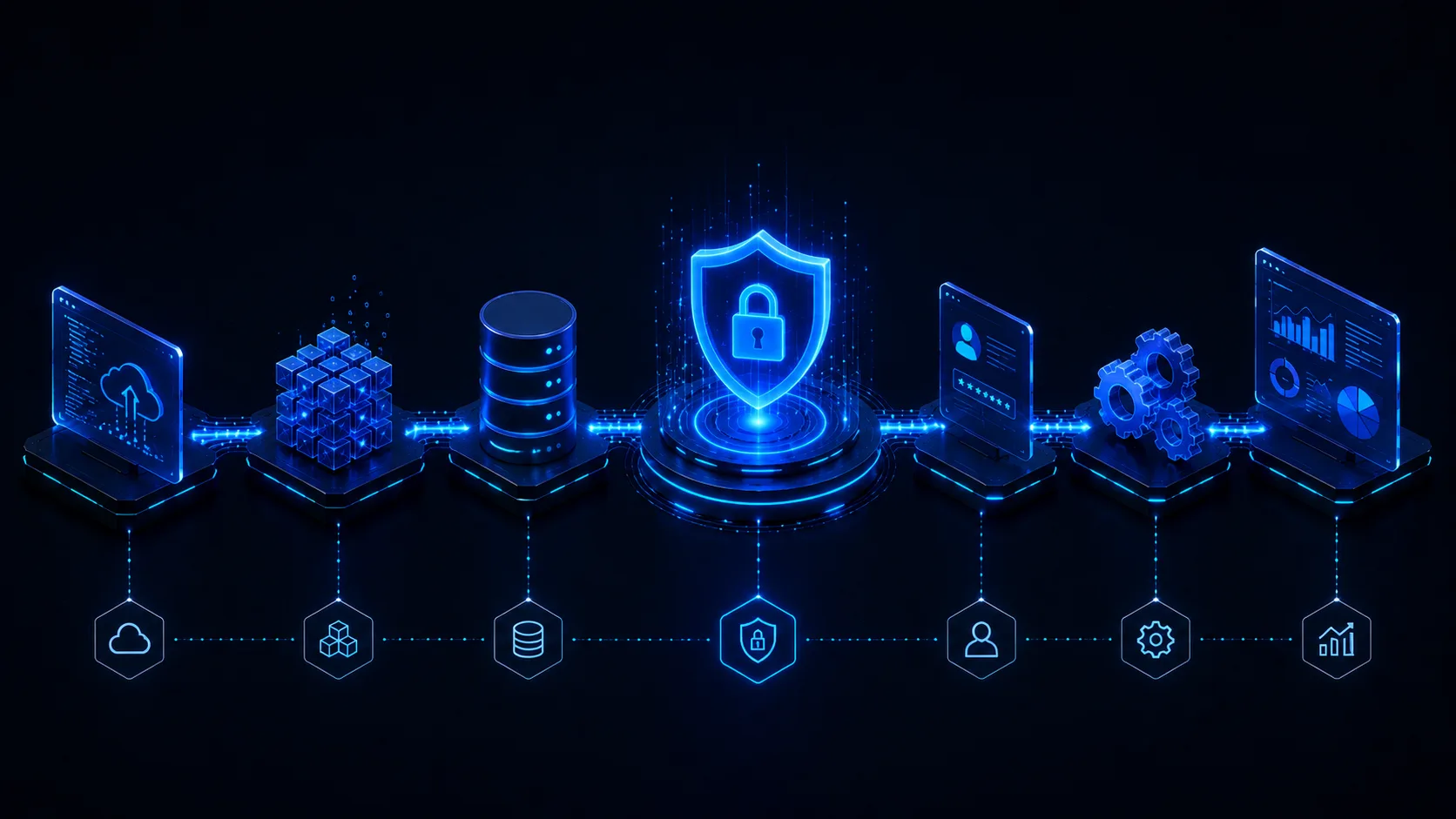
Least Privilege for AI Agents: Designing Permissions for Tools, APIs, Browsers, and Filesystems
AI agents need least privilege at the tool, API, browser, filesystem, credential, tenant, and action level. Safe design requires tool classification, read-only defaults, argument validation, scoped credentials, sandboxing, approval gates, and auditable enforcement outside the model.
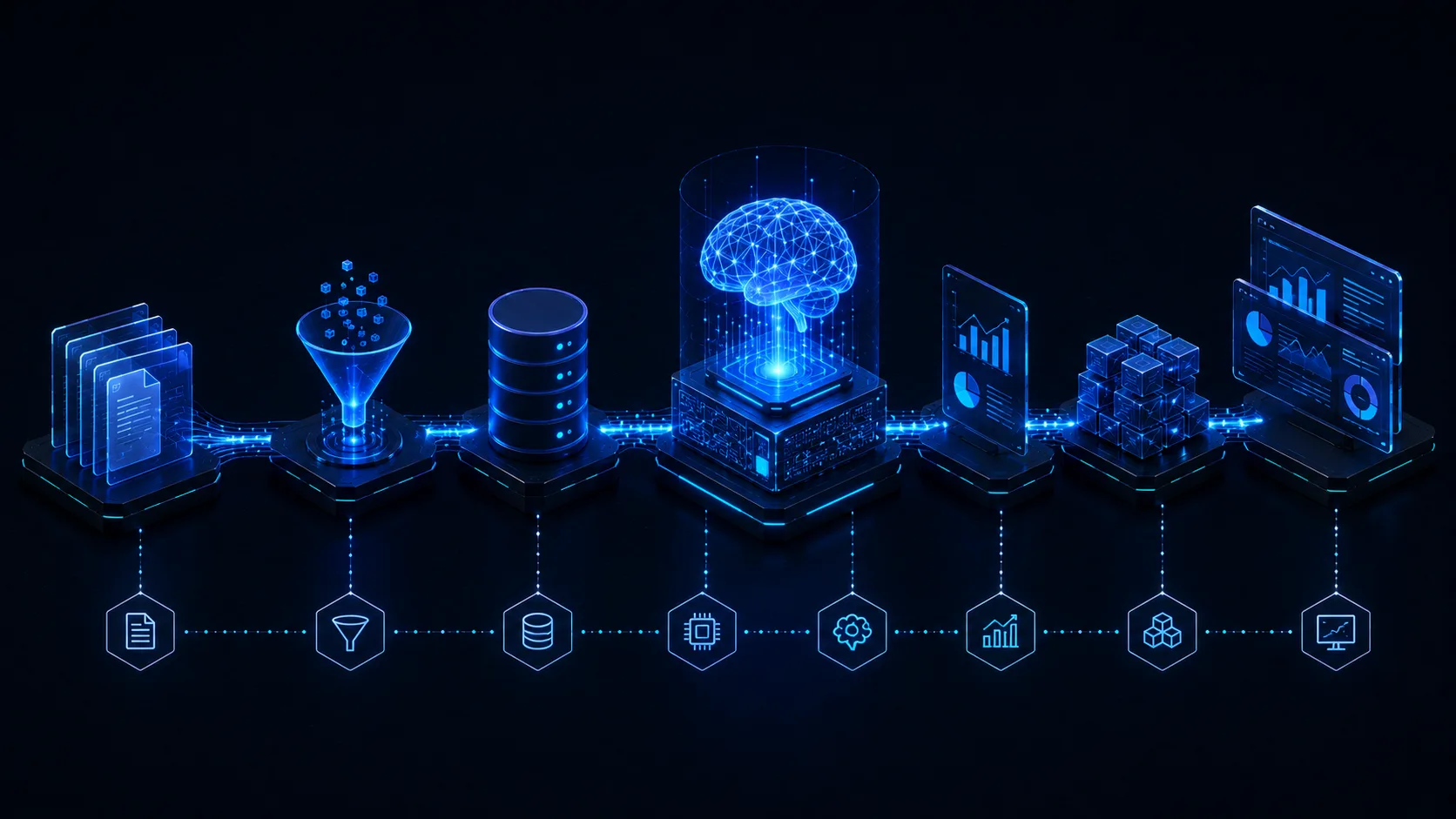
The Agentic Anarchy Problem: Why AI Agents Break Traditional IAM Models
AI agents break traditional IAM because they act across user intent, application authority, and tool permissions. A secure agent program requires explicit identity, delegated authorization, scoped credentials, and policy enforcement that lives outside the model.