AI System Inventory
6 articles
How to Read the State of AI Security Engineering Report: Methodology, Caveats, and Responsible Interpretation
A serious annual report is not only a collection of findings. It is also a contract with the reader about how those findings should be interpreted. The more ambitious the report, the more important the methodology becomes.
The AI Security Engineer Career Map: Skills, Tools, Frameworks, and Portfolio Evidence
The AI Security Engineer career path combines AppSec, cloud security, MLOps, LLM application security, secure RAG, agent security, red teaming, detection engineering, governance evidence, privacy awareness, and communication. Practitioners should build portfolio evidence that proves they can turn AI risk into controls, tests, telemetry, and operating decisions.
The AI Security Operating Model: Who Owns What Across AppSec, MLOps, GRC, Legal, Privacy, and SOC
A credible AI security operating model assigns ownership across AppSec, product security, AI platform engineering, MLOps, data governance, privacy, legal, GRC, SOC, red team, procurement, and business teams. The goal is not companyal purity; the goal is clear accountability for controls, evidence, incidents, and claims.
Private Benchmarks for AI Security: Skills, Operating Models, Controls, and Governance Evidence
Private AI security benchmarks can help organizations compare skills, operating models, control coverage, evidence maturity, and role expectations against defined datasets or frameworks, but they must be presented as directional advisory tools rather than certification, audit opinion, or proof of internal security maturity.
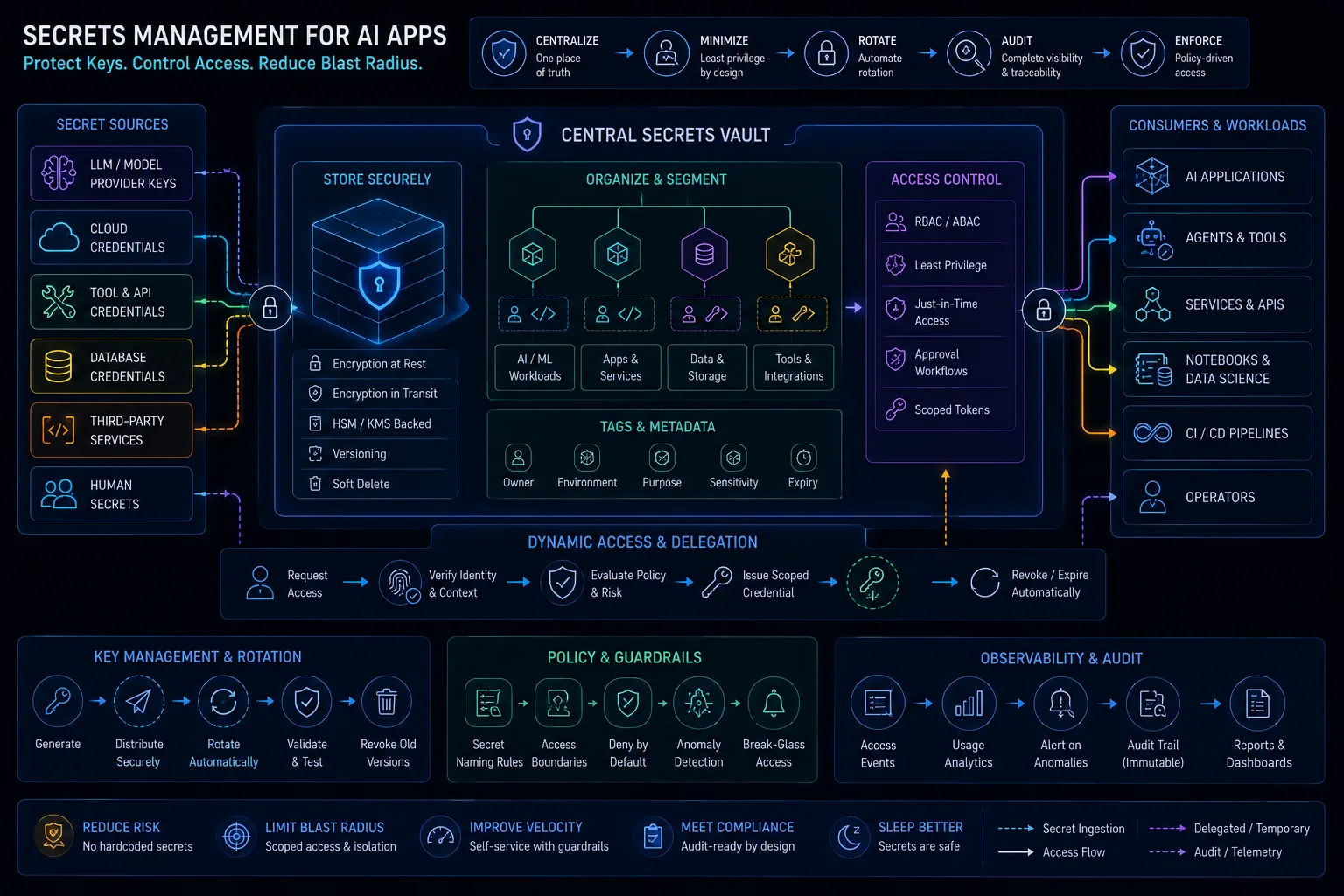
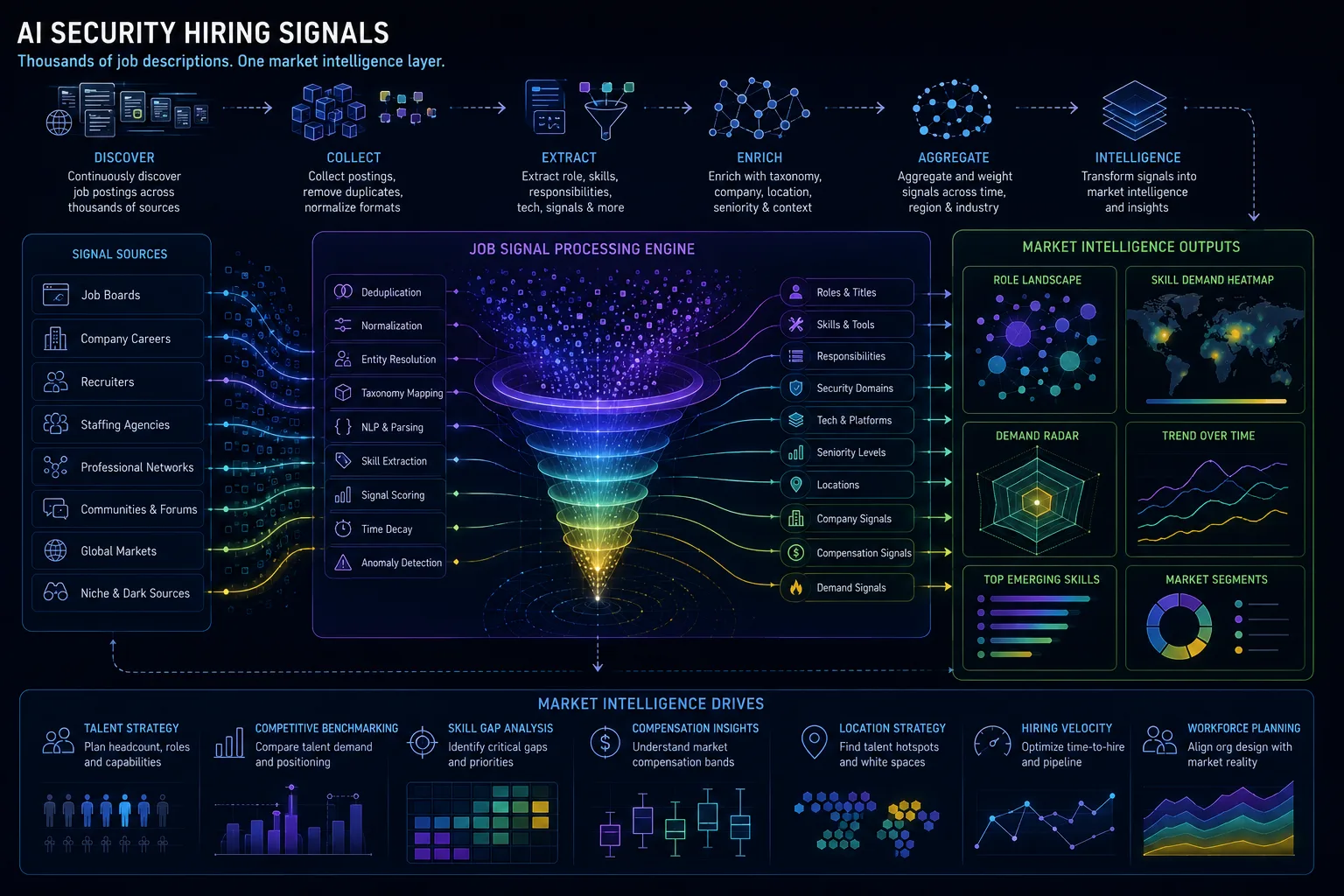
Public Hiring Signals: How AI Security Job Descriptions Reveal Market Demand Without Proving Internal Maturity
Public AI security job descriptions can reveal directional market demand, role architecture, skills convergence, framework adoption, and emerging operating models, but they cannot prove internal security maturity. Job-description intelligence should be analyzed in aggregate, caveated carefully, and separated from company-level accusations.
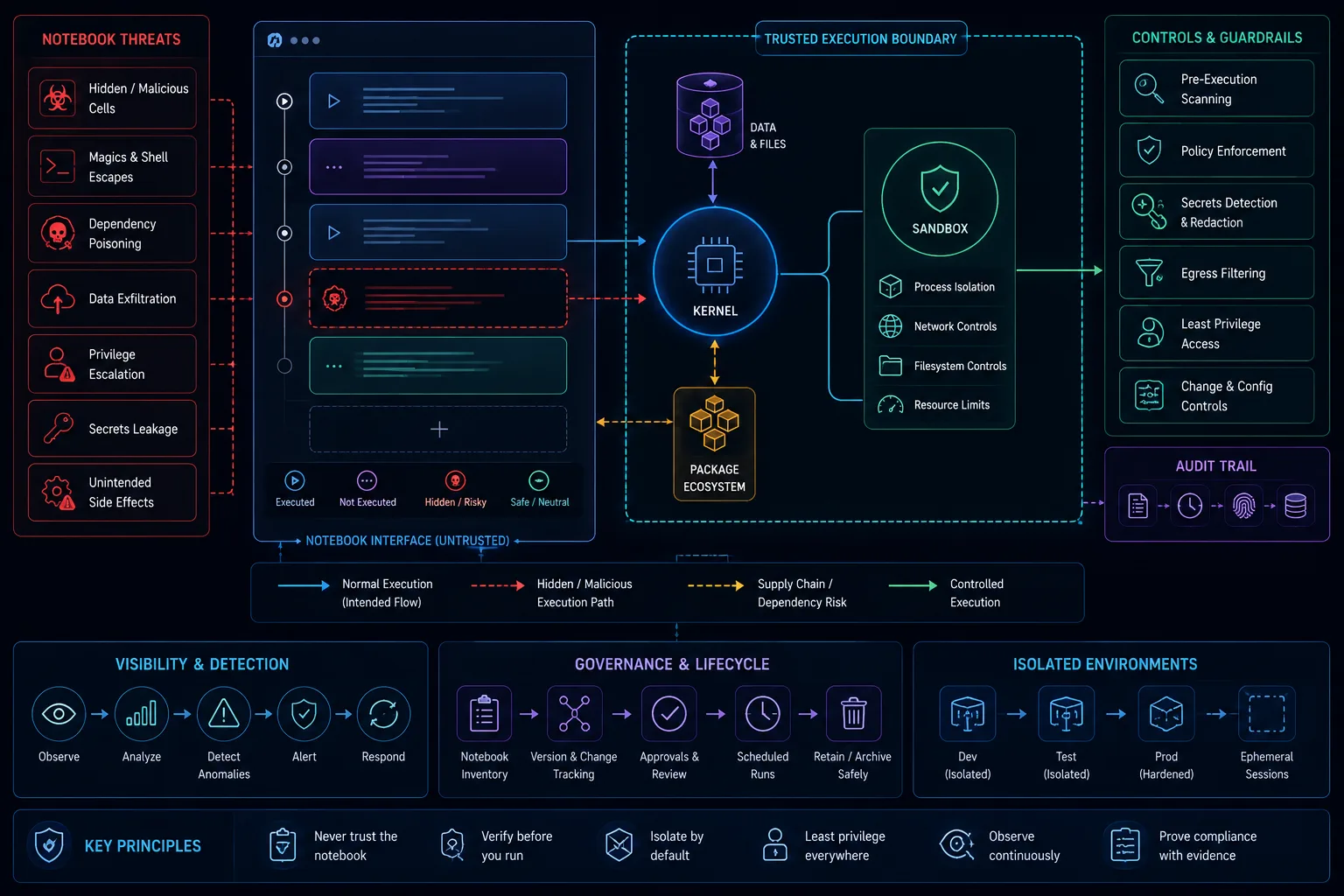
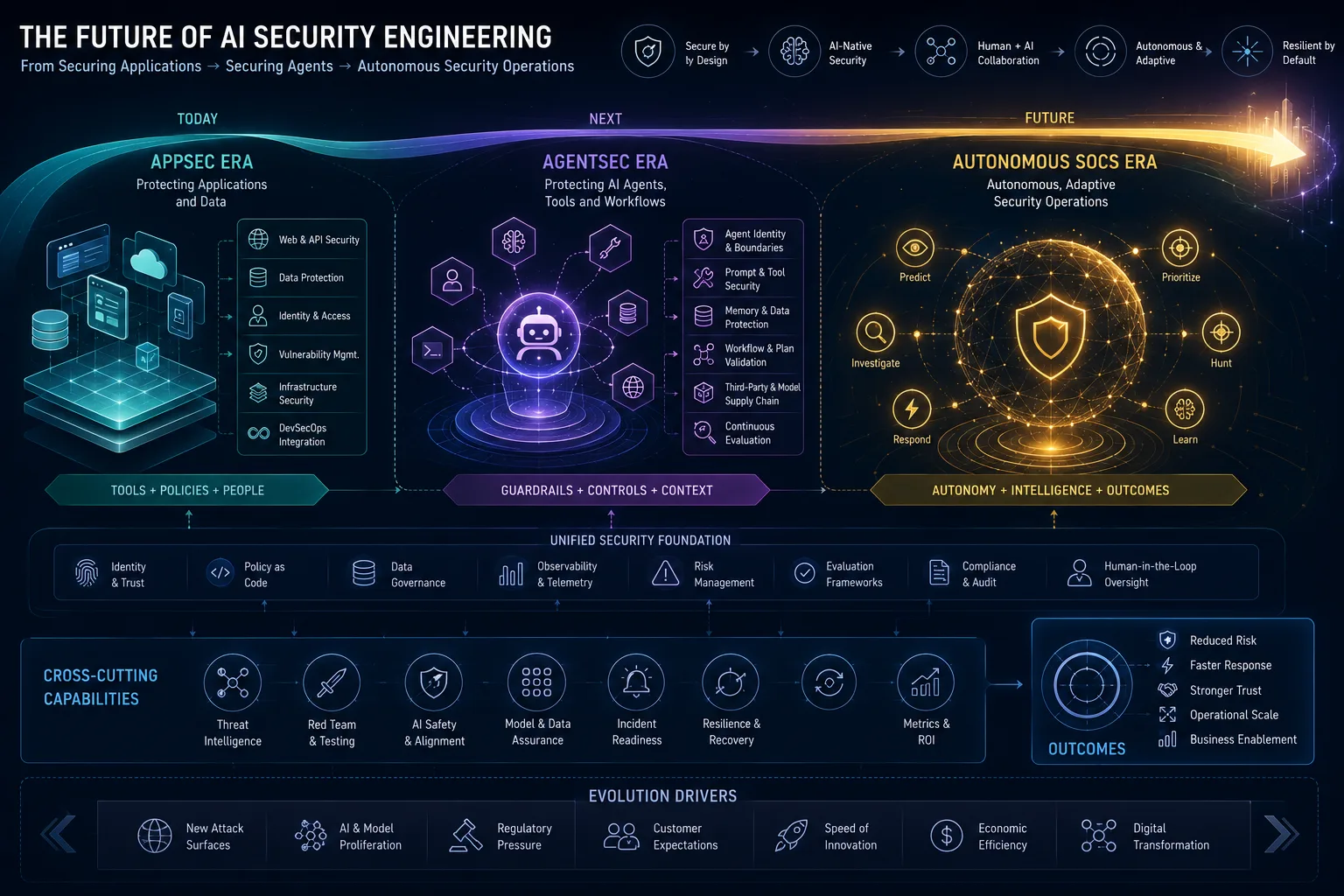
The Future of AI Security Engineering: From AppSec to AgentSec to Autonomous SOCs
The future of AI Security Engineering is a platform discipline that extends AppSec into LLM applications, creates AgentSec for autonomous workflows, builds AI-native telemetry for detection and incident response, and turns governance into continuous evidence rather than annual paperwork.