Data Exposure and Privacy
5 articles
Notebook Security for ML and AI Teams: Jupyter, Colab, Databricks, and Hidden Execution Risk
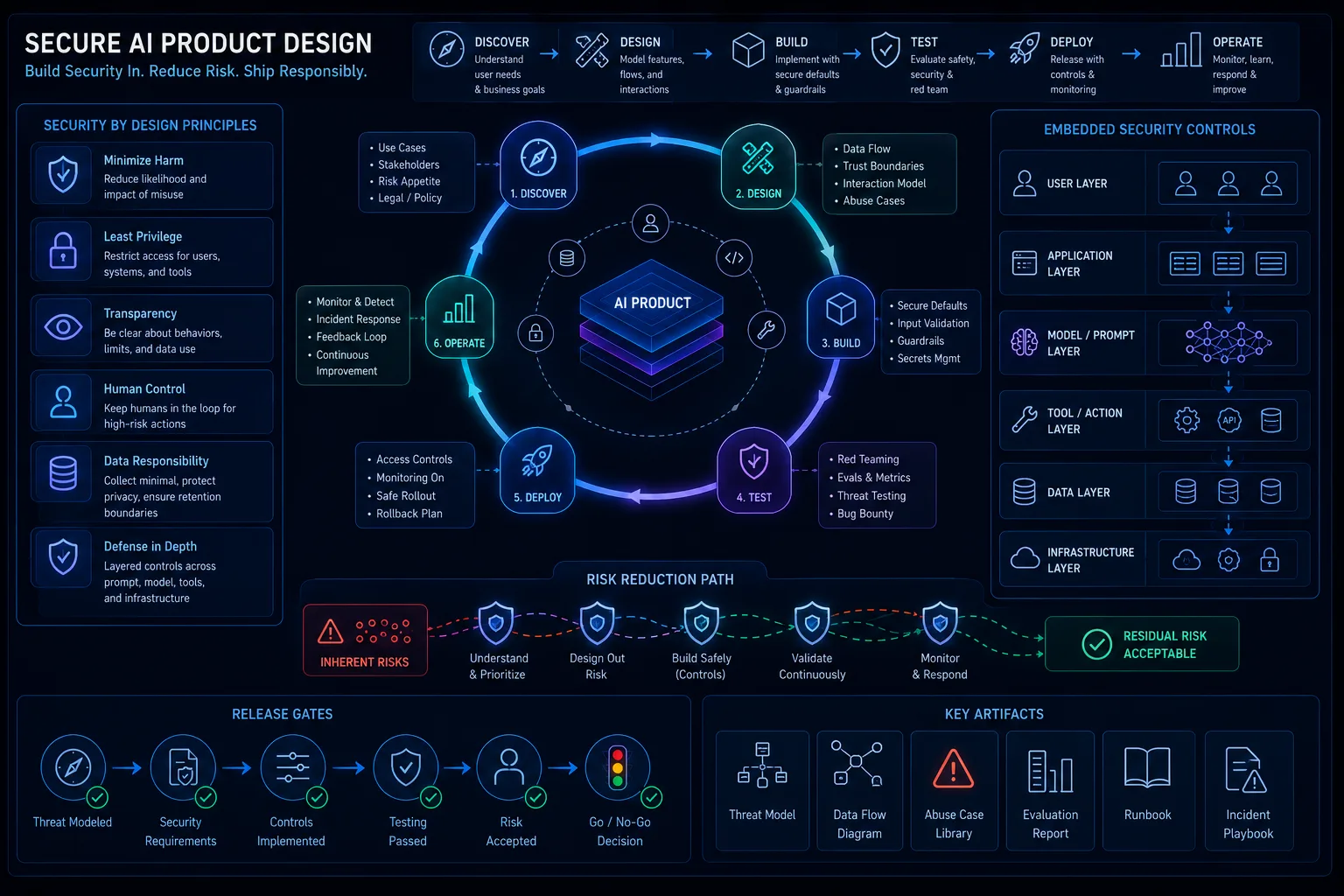
Notebook security for AI and ML teams requires access control, secret management, data minimization, execution isolation, output review, dependency scanning, sharing controls, provenance, and promotion rules before notebooks influence production workflows or access sensitive data.
AI Logging and Telemetry: What to Capture Without Creating a Privacy Disaster
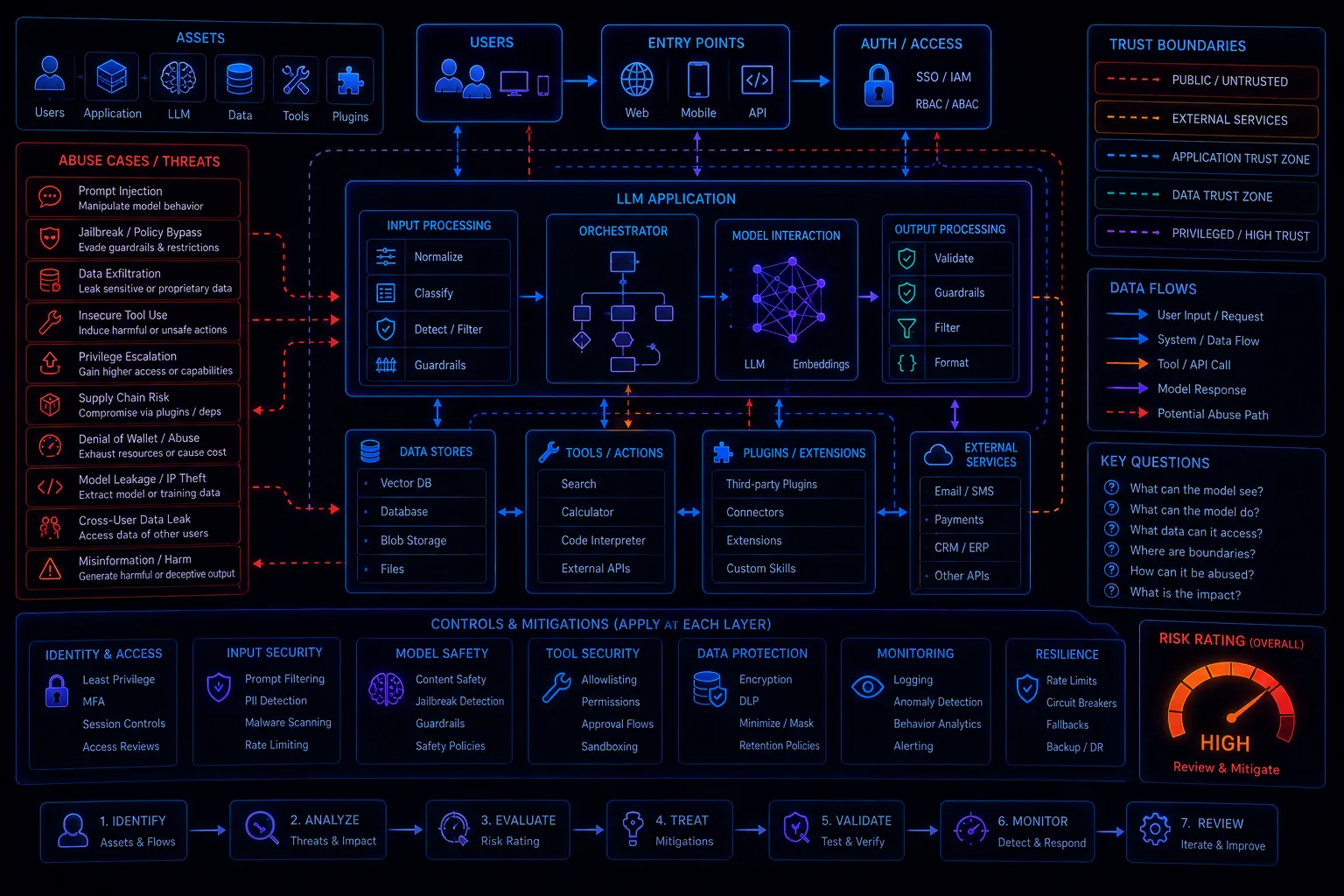
AI systems need logs because you cannot rebuild what happened from vibes. Security teams need to know what prompt was used, what docs were found, what the model said, what tool was called, who approved it, and what happened next.
AI Data Governance for Security Engineers: Classifying Prompts, Outputs, Embeddings, and Training Data
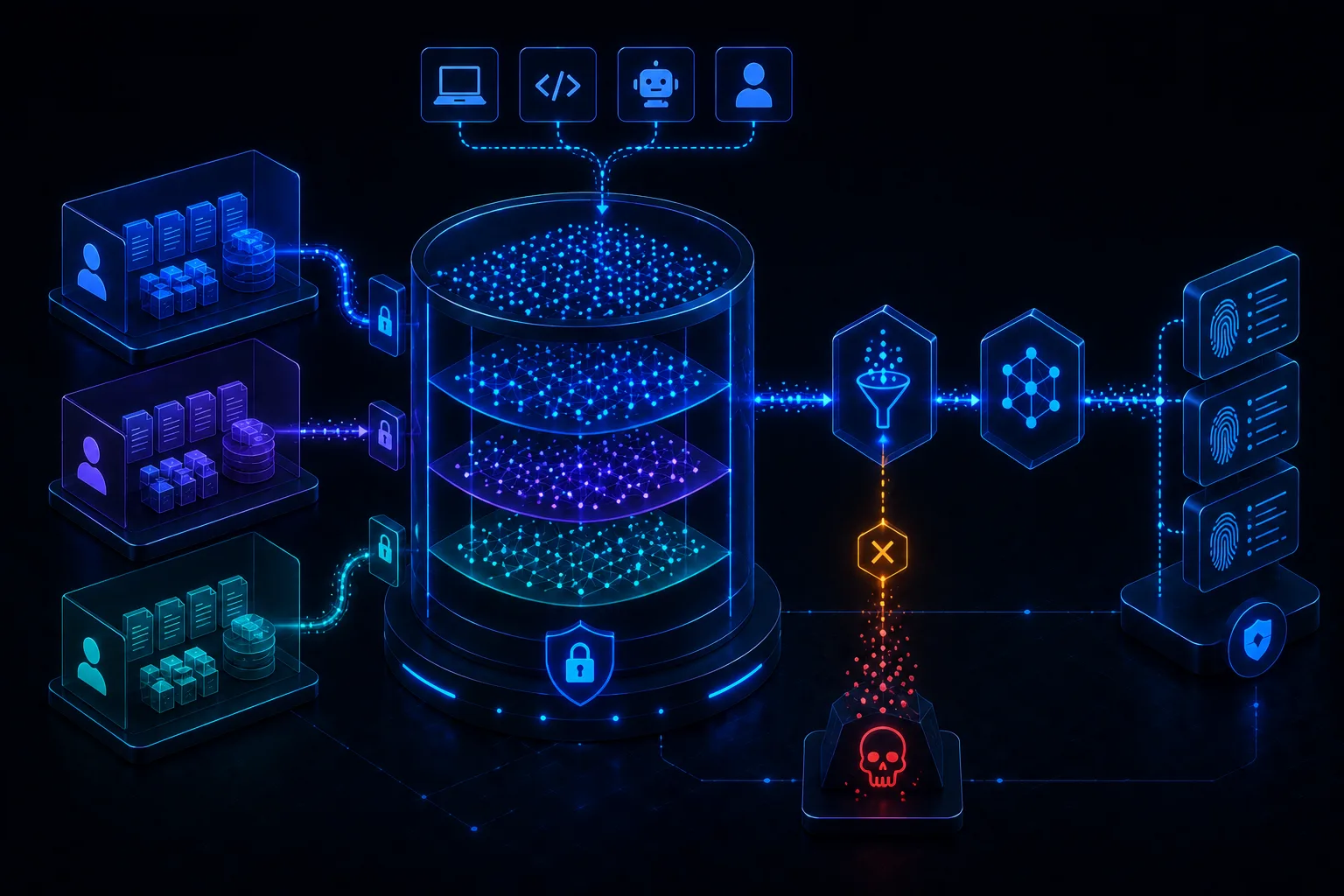
AI data governance must classify prompts, outputs, embeddings, and training data. Security engineers need rules for provider use, retention, access, and deletion.

Vector Database Security: Access Control, Tenant Isolation, Poisoning, and Forensic Logging
Vector database security requires the same seriousness as other production data infrastructure, with additional attention to embeddings, metadata filtering, retrieval authorization, tenant isolation, poisoning resistance, deletion workflows, and forensic logging.

RAG Data Leakage: How Private Documents Escape Through Retrieval, Embeddings, and Context Windows
RAG data leakage happens when retrieval, embeddings, metadata, prompt context, generated answers, logs, or deletion workflows expose information outside intended boundaries. Secure RAG requires authorization-aware retrieval, tenant isolation, metadata filtering, sensitive-data minimization, protected traces, retention limits, and incident-ready evidence.