Attack
5 articles
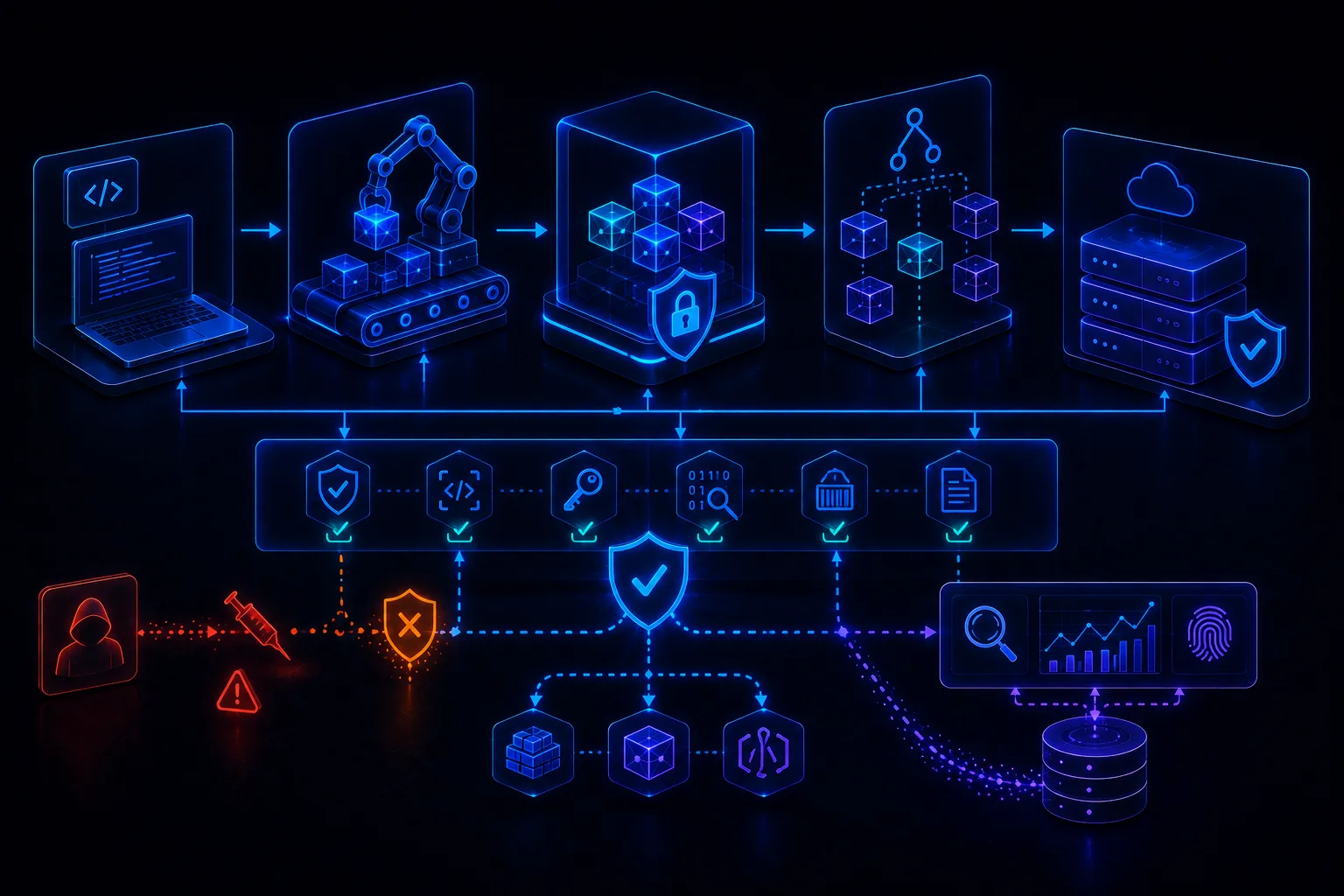
From Jailbreaks to Business Impact: How to Write AI Security Findings That Executives Understand
AI security findings should connect tested behavior to business impact through scope, preconditions, evidence, reproducibility, affected assets, control failure, severity rationale, and remediation. Findings must avoid unsupported company-level claims, product endorsement language, and exaggerated conclusions.

Building an AI Red Team Lab: Tools, Datasets, Harnesses, Attack Libraries, and Reporting Templates
An AI red team lab should provide a controlled, authorized, reproducible environment for testing LLM applications, RAG systems, AI agents, model endpoints, tool use, output handling, and governance evidence. It must include safe datasets, attack libraries, test harnesses, telemetry, evidence handling, reporting templates, and operational guardrails.
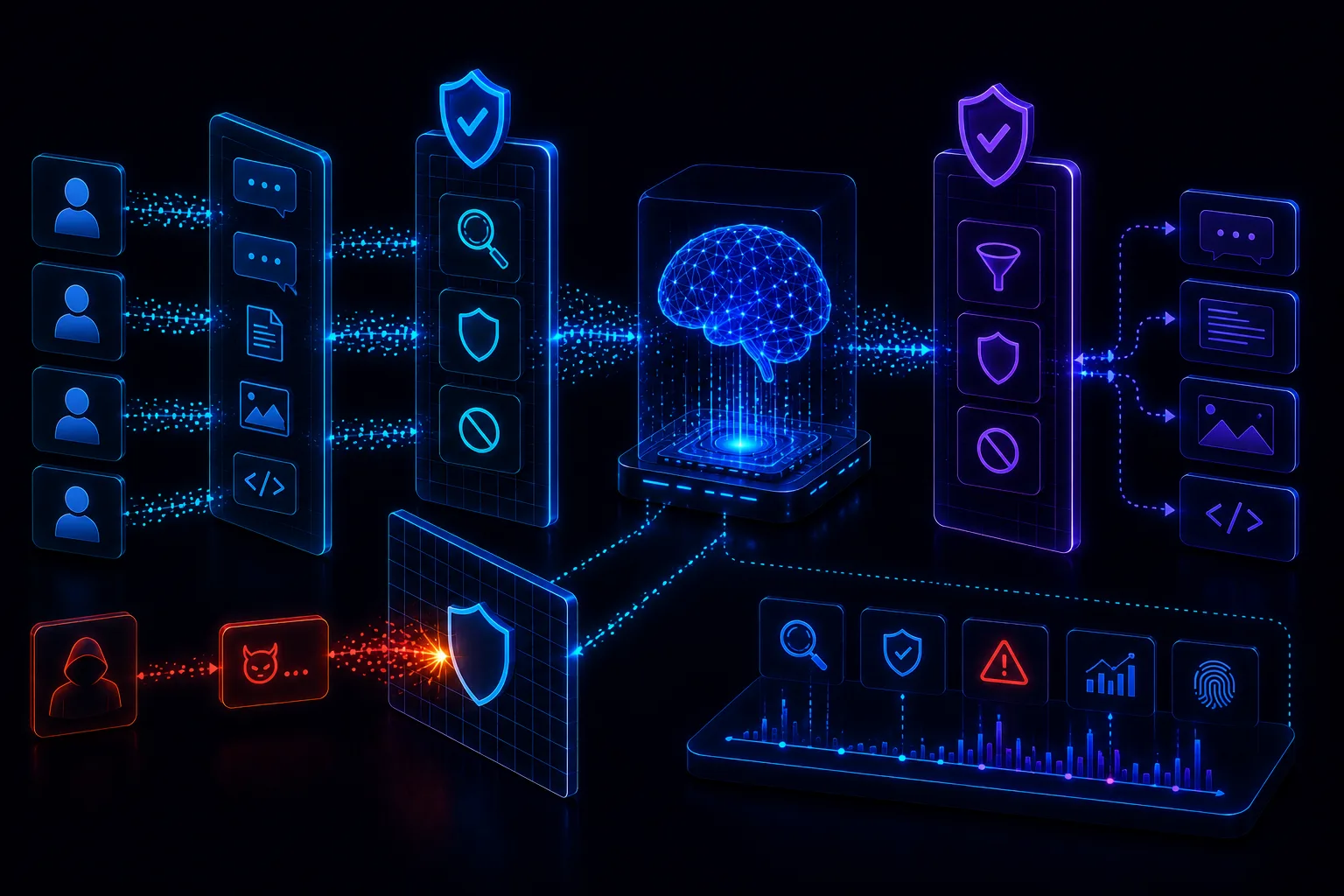
AI Evals as Security Tests: Building Regression Suites for Prompt Injection, Leakage, and Unsafe Actions
Security evals should test prompt injection, indirect injection, data leakage, RAG access, unsafe output, excessive agency, over-reliance, and cost abuse. These should be repeatable regression suites in CI/CD and governance evidence.

RAG Data Leakage: How Private Documents Escape Through Retrieval, Embeddings, and Context Windows
RAG data leakage happens when retrieval, embeddings, metadata, prompt context, generated answers, logs, or deletion workflows expose information outside intended boundaries. Secure RAG requires authorization-aware retrieval, tenant isolation, metadata filtering, sensitive-data minimization, protected traces, retention limits, and incident-ready evidence.

The Agentic Anarchy Problem: Why AI Agents Break Traditional IAM Models
AI agents break traditional IAM because they act across user intent, application authority, and tool permissions. A secure agent program requires explicit identity, delegated authorization, scoped credentials, and policy enforcement that lives outside the model.