← All articles
Detection Engineering
2 articles
Agent SecurityAgentic PermissionsAI Agent SecurityAI Governance EvidenceAi ImpactAi IntegrationAI Red TeamingAI SDLC & Product SecurityAI SecurityAI Security Engineer CareerAi Security EngineeringAI Security FoundationsAI Security MonitoringAI Security ToolsAI Security WorkbenchAI Supply ChainAI System InventoryArchitecture and Trust BoundariesAts SystemsAttackCareer DevelopmentCorporate CultureCorporate Culture And LeadershipCulture SecurityCyber SecuritycybersecurityCybersecurity StrategyData Exposure and PrivacyDefendDetection EngineeringDistributed GovernanceDistributed SystemsEconomic GovernanceEducationEvaluation and Regression TestingEvidenceFuture of WorkgovernanceGovernance And ResilienceGovernance Evidence and Customer TrustGovernance, Risk & ComplianceHiring & TalentHiring StrategyIncident Response & ObservabilityLeadership And GovernanceLLM Application SecurityLogging and TelemetryMapMLOps & Platform SecurityModel and Provider RiskModel Supply ChainOperational RiskOrganizational GovernanceOrganizational ResiliencePlatform GovernancePrivacy & Data ProtectionPrompt InjectionPsychological SafetypsychometricsRAG AuthorizationRAG SecurityRecruitment And TalentRed Teaming & Evaluationsred-teamSecure Architecture & DesignSecure RAGSecurity ArchitectureStochastic GovernanceStochastic ResilienceSystemic ResilienceTalent AcquisitionTechnical IntelligenceThreat ModelingToolchain IntegrityTraining & WorkshopsVendor Risk & ProcurementWorkforce ScienceWorkplace Evolution
Map
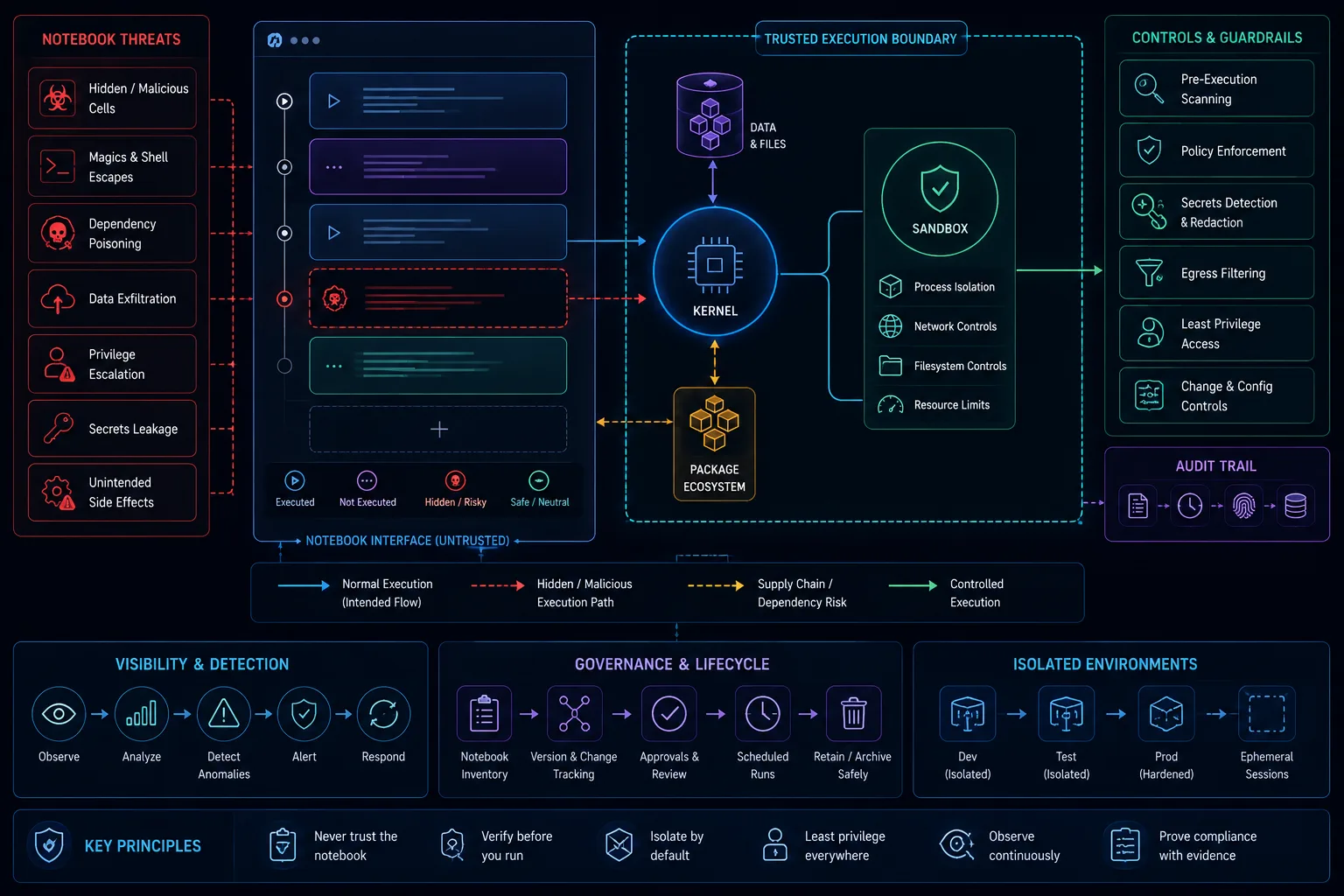
The Future of AI Security Engineering: From AppSec to AgentSec to Autonomous SOCs
The future of AI Security Engineering is a platform discipline that extends AppSec into LLM applications, creates AgentSec for autonomous workflows, builds AI-native telemetry for detection and incident response, and turns governance into continuous evidence rather than annual paperwork.
9 min read
Defend
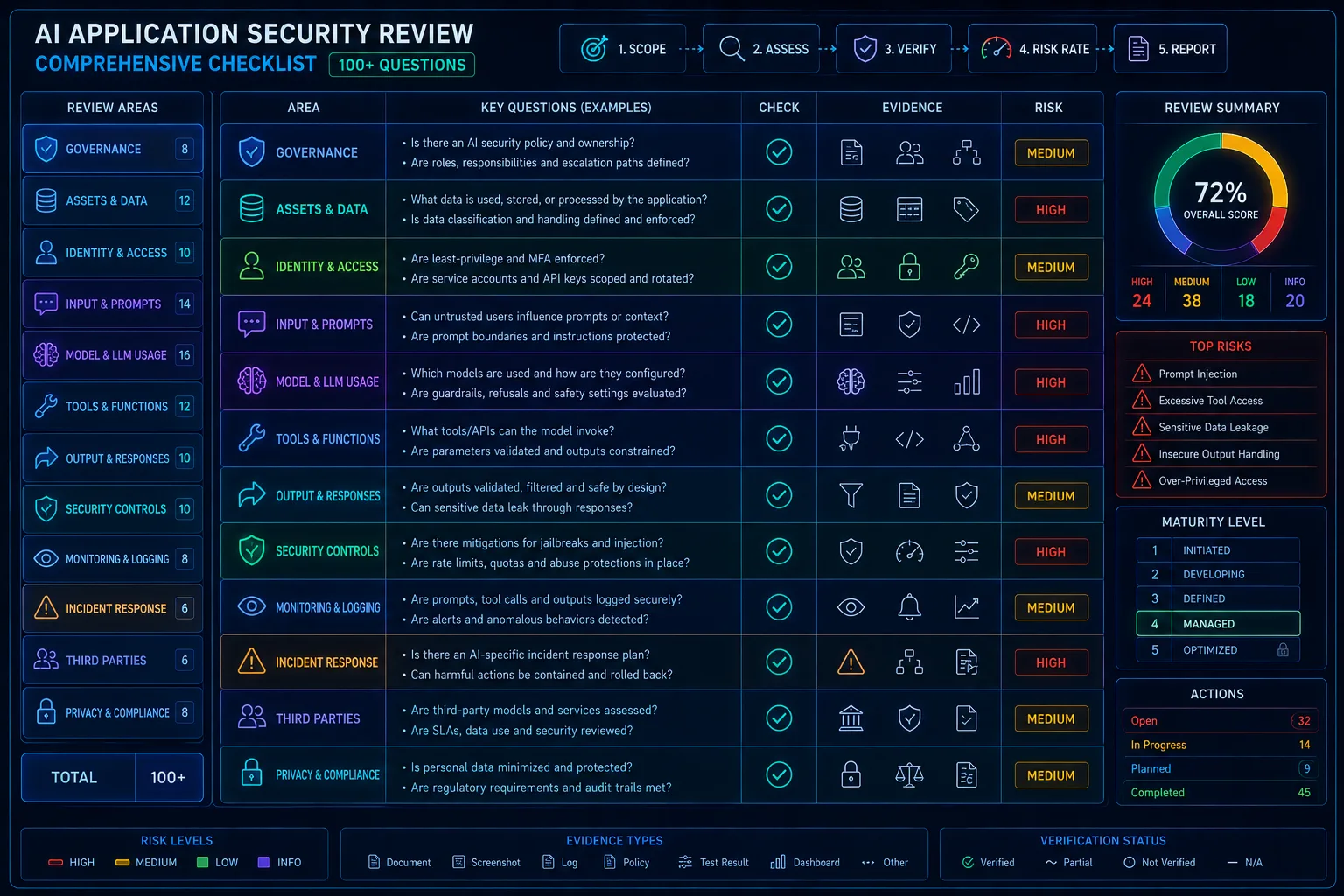
Security Monitoring for AI Agents: How to Detect Dangerous Tool Use Before Damage Happens
Security monitoring for AI agents requires tool-call telemetry, action-sequence detection, approval-state tracking, memory monitoring, credential visibility, anomaly detection, and kill-switch response paths. Dangerous tool use should be detected before it becomes data leakage, unauthorized change, financial impact, or customer-facing error.
10 min read