
David Wolf · Project Use Case
AI SECURITY · PRODUCT SECURITY · CENDANT / ORBITZ
Cendant / Orbitz
Geographic Waypoint & GDS Cleanup
A travel-data quality project cleaning geographic waypoints, inventory metadata, and GDS-linked destination structures to improve search, booking,...
Contributed to geographic waypoint, destination inventory, and GDS cleanup work in a travel-technology environment, improving the structure, accuracy, and usefulness of location-linked inventory data used across search,...
Client
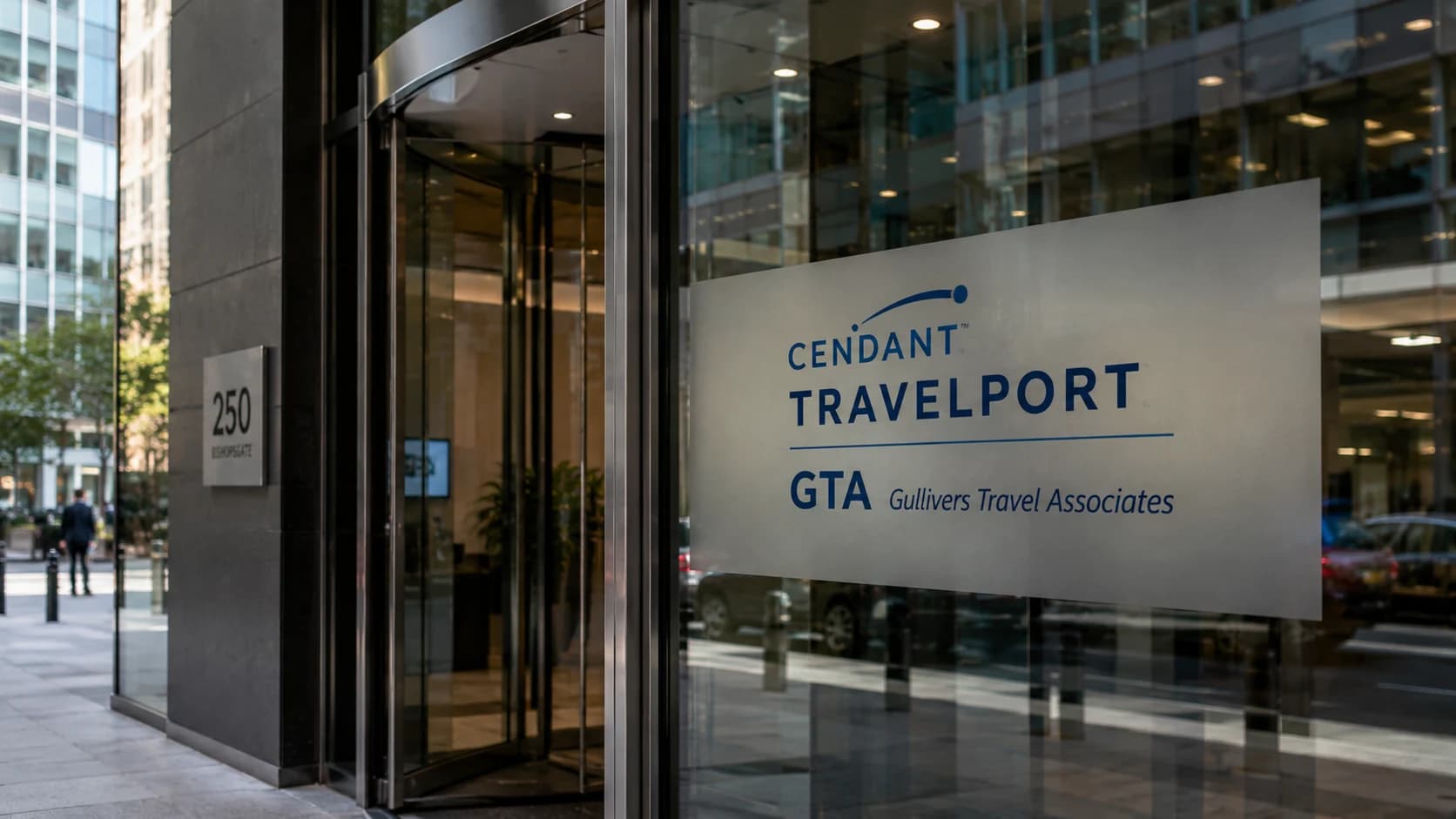
Cendant / Orbitz / GTA Gullivers Travel Associates
Engagement Type
Early-career role; exact employment or consulting classification requires confirmation
Period
Early Career; exact dates require confirmation
Role
Travel Technology / Data Quality / Technical Marketing Contributor; exact title requires confirmation
Focus Areas
Geographic Waypoint Cleanup, GDS Inventory Cleanup, Destination Metadata, Travel Inventory Quality
The Research Narrative
Strategic Problem
Travel data is inherently messy. Locations have aliases, duplicates, nearby airports, supplier-specific names, overlapping regions, and route-dependent meaning. Cleanup work had to improve usefulness for...
What David Did
David supported cleanup of geographic waypoint and GDS-linked inventory data by helping identify inconsistent, duplicate, stale, or poorly mapped records and connecting those improvements...
What Became Clearer
The project became an early foundation for later work in schema normalization, entity resolution, AI data pipelines, and security analytics. It showed the same pattern at a smaller scale:...
Consulting Proof
This is evidence of turning messy security telemetry into explainable dashboards, alert-quality improvements, and executive-ready operating views.
The Context
Online travel platforms depend on geography. Search, routing, hotel inventory, affiliate pages, landing pages, and booking flows all assume that cities, airports, regions, hotels, and waypoints are correctly represented.
The Challenge
Travel data is inherently messy. Locations have aliases, duplicates, nearby airports, supplier-specific names, overlapping regions, and route-dependent meaning. Cleanup work had to improve usefulness for search, booking, and technical marketing, not just make records look cleaner.
What I Did
David supported cleanup of geographic waypoint and GDS-linked inventory data by helping identify inconsistent, duplicate, stale, or poorly mapped records and connecting those improvements to travel search and itinerary relevance.
- •Supported cleanup of geographic waypoint and destination inventory data used in travel search, routing, and booking workflows
- •Reviewed and normalized location-linked records such as cities, airports, regions, waypoints, hotels, attractions, and route-relevant destinations
- •Helped identify duplicate, stale, ambiguous, misclassified, or poorly linked geographic records
- •Connected data quality work to GDS-linked inventory and downstream booking/search experiences
- •Improved consistency of travel metadata used by search pages, affiliate landing pages, technical marketing campaigns, and itinerary generation
- •Applied practical taxonomy thinking to travel destinations, route structures, supplier records, and high-intent travel concepts
- •Helped reduce friction created by inconsistent naming, weak mapping, poor destination grouping, or incomplete waypoint relationships
- •Supported a better foundation for programmatic travel content, search-indexable landing pages, and inventory-driven marketing
The Outcome
The project became an early foundation for later work in schema normalization, entity resolution, AI data pipelines, and security analytics. It showed the same pattern at a smaller scale: normalize messy real-world data so systems can reason over it reliably.
Research Outcomes
Signal Quality
Improved the trustworthiness of operational security signals
Operational Clarity
Translated complex security data into clearer operating views
Stakeholder Visibility
Made technical risk and status easier to explain
Operational Impact
Turned raw telemetry into actionable security intelligence
Capabilities Demonstrated
Telemetry Normalization
Consistent and trusted data
Security Analytics
Signal investigation and event analysis
IAM / Access Control
Identity telemetry and access insights
SIEM Alert Debugging
Noise reduction and signal validation
Dashboard Development
Operational and executive views
Executive Reporting
Security data translated for leadership
Operational Reporting
Actionable views for security operations
Public-Safe Evidence
Shareable insights without sensitive data
Key Deliverables
- •Geographic waypoint cleanup support
- •Destination inventory data review
- •GDS-linked metadata cleanup
- •Duplicate and ambiguous location-record analysis
- •Destination taxonomy improvement
- •Search and itinerary data-quality support
- •Affiliate and programmatic travel-page data support
- •Inventory-linked routing and location metadata improvement
Tools & Technologies
Consulting Translation
The reusable pattern is not Disney-specific: normalize fragmented security telemetry, debug low-signal alert behavior, build trusted operating views, and give leadership evidence they can act on without exposing sensitive systems.